


 By
By 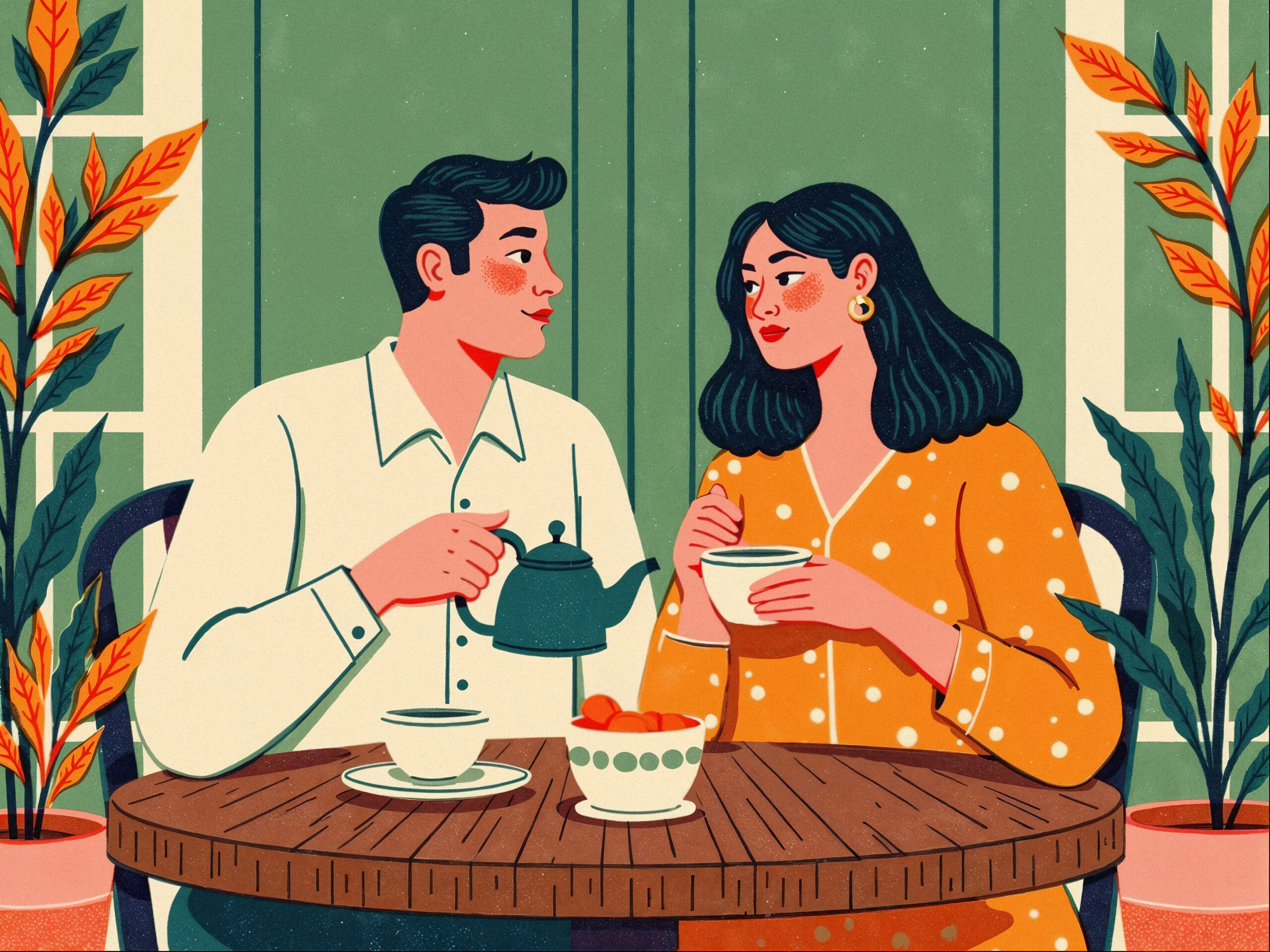
discovering why teaware somehow makes ordinary tea feel dramatically more sophisticated and slightly dangerous financially
Part of the #teaware and #open-tea channels, @the-art-of-teaware is a delightfully immersive @programme exploring the craftsmanship, beauty, culture, and quiet personality of teaware from around the world. Thankfully, participants are not expected arriving with encyclopaedic pottery knowledge or suspiciously expensive antique collections hidden inside velvet boxes. Instead, the programme approaches teaware with curiosity, humour, and genuine appreciation. Online and offline discussions explore how cups, teapots, tea trays, kettles, ceramics, and clay vessels shape atmosphere, brewing, and hospitality. Quite alarmingly, many participants eventually realise they’ve developed emotional attachments to teapots without noticing exactly when this happened.
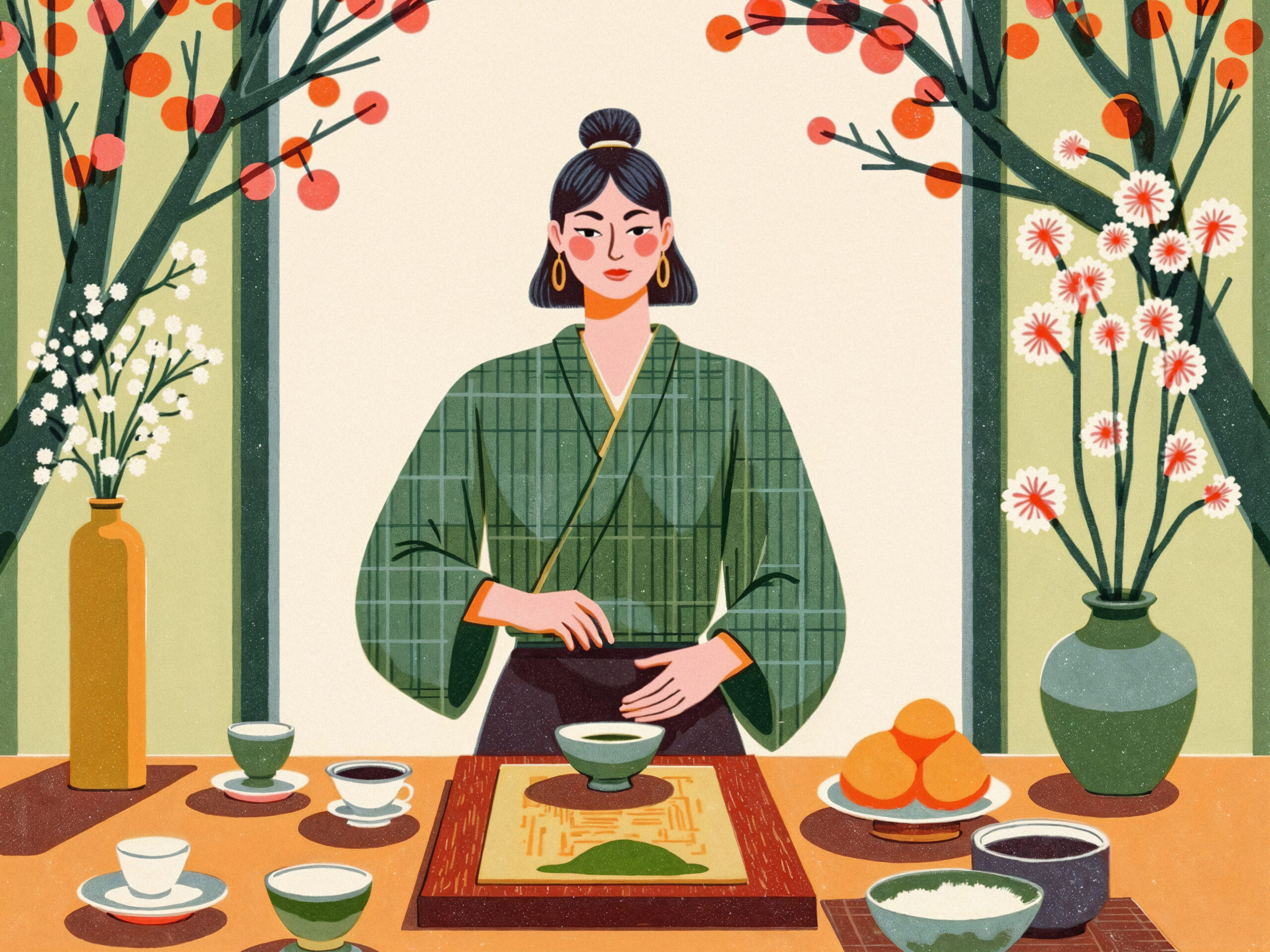
exploring cups clay ceramics tea tables and humanity's wonderful unreasonable attachment to beautiful teaware collections Topics explored throughout the programme may include teaware history, Yixing teapots, Chinese ceramics, Japanese tea bowls, tea table presentation, artisan craftsmanship, clay and porcelain differences, teaware collecting, travelling tea sets, and matching teaware with different tea styles. Discussions may also wander into tea aesthetics, tea hospitality, handmade pottery, tea room atmosphere, and the mysterious phenomenon where one teacup somehow becomes twelve entirely by accident. Participants are encouraged appreciating teaware practically and artistically while understanding how thoughtfully chosen tea objects influence brewing, mood, conversations, hospitality, and the wonderfully civilised pace of shared tea experiences.
@the-art-of-teaware - topics
- ❀ Topic #1 - Traditional Teaware across Cultures
- ❀ Topic #2 - Exploring famous Craftsmanship
- ❀ Topic #3 - Matching Teaware with different Styles
- ❀ Topic #4 - Tea Table Presentations
- ❀ Topic #5 - Handmade Ceramics and Artisan Culture
- ❀ Topic #6 - Tea aesthetics and visual Experiences
- ❀ Topic #7 - Traveling Tea Kits and Rituals
- ❀ Topic #8 - Collecting Teaware
- ❀ Topic #9 - Porcelain and Clay Comparisons
- ❀ Topic #10 - Modern Teaware and Tea Culture
- ❀ Topic #1 - Traditional Teaware across Cultures
- ❀ Topic #2 - Exploring famous Craftsmanship
- ❀ Topic #3 - Matching Teaware with different Styles
- ❀ Topic #4 - Tea Table Presentations
- ❀ Topic #5 - Handmade Ceramics and Artisan Culture
- ❀ Topic #6 - Tea aesthetics and visual Experiences
- ❀ Topic #7 - Traveling Tea Kits and Rituals
- ❀ Topic #8 - Collecting Teaware
- ❀ Topic #9 - Porcelain and Clay Comparisons
- ❀ Topic #10 - Modern Teaware and Tea Culture
understanding why humans have spent centuries lovingly crafting objects purely dedicated to serving remarkably hot leaves elegantly those teaware we keep talking about
Teaware has long reflected artistry, ritual, culture, hospitality, and craftsmanship across countless tea traditions worldwide. This programme approaches teaware not merely as decorative objects, but as functional companions shaping how tea is prepared, served, experienced, and remembered. Participants explore how materials, forms, textures, and designs influence brewing performance and emotional atmosphere alike. Quite importantly, nobody is required identifying ancient kiln techniques before lunchtime or discussing porcelain density with terrifying seriousness. Even learning why one teapot pours beautifully while another aggressively attacks sleeves and unsuspecting guests already represents perfectly respectable and highly practical progress during the programme itself.
where ordinary teacups quietly become gateways into craftsmanship storytelling hospitality and surprisingly emotional tea conversations together
As discussions continue, participants often begin noticing how deeply teaware influences tea experiences beyond simple practicality. A beautifully balanced cup changes the feeling of holding tea, a clay teapot alters brewing character, and thoughtfully arranged tea tables somehow encourage calmer and more meaningful conversations naturally. The programme demonstrates how teaware connects artistry with hospitality without becoming painfully formal or intimidatingly academic. Somewhere between admiring handmade ceramics, discussing tea aesthetics, and accidentally browsing teaware shops at irresponsible hours online, participants often discover teaware carries stories, personalities, and cultural memories every bit as fascinating as the teas themselves.
Bringing everything together, we arrive at a rather clear and thoughtful understanding of the tea matter. It really is one leaf with many possibilities.
a final gentle warning before participants begin reorganising homes around increasingly ambitious and suspiciously expanding teaware collections
Ultimately, @the-art-of-teaware exists to make teaware appreciation approachable, enjoyable, culturally meaningful, and wonderfully human rather than exclusive or overly serious. Order of Tea believes teaware should inspire curiosity, conversation, creativity, and shared experiences without requiring intimidating expertise or aristocratic levels of cabinet space immediately. The programme encourages thoughtful appreciation while respecting artisan traditions, cultural histories, and practical functionality alike. And honestly, if participants finish the programme quietly convinced they suddenly require handmade tea bowls from three different countries immediately, we shall simply nod respectfully and pretend this outcome was entirely unexpected from the beginning.
perfect for curious tea lovers creative minds collectors hosts and anyone emotionally attached to beautiful teacups already secretly
This @programme may suit tea lovers, teaware collectors, hospitality professionals, creatives, designers, cultural learners, tea hosts, artisans, and anyone fascinated by craftsmanship and tea presentation. It is equally welcoming for complete beginners who simply enjoy beautiful tea objects without understanding ceramic terminology yet. Friends, tea communities, and thoughtful conversationalists may especially enjoy the relaxed atmosphere and cultural exploration. Quite simply, if you’ve ever held a lovely teacup and thought, “this somehow makes tea taste better,” then you may feel wonderfully understood and completely at home within this programme.
teaware appreciation programme
Explore teaware culture, ceramics, Yixing teapots, tea aesthetics, craftsmanship, tea hospitality, and tea table presentation through Order of Tea’s cheerful @the-art-of-teaware programme inside the #teaware and #open-tea channels with thoughtful discussions, cultural exploration, artisan craftsmanship, and delightfully human tea experiences online and offline worldwide. @the-art-of-teaware is a cheerful tea culture programme exploring teaware craftsmanship, ceramics, tea aesthetics, hospitality, tea presentation, and artisan traditions. Through relaxed discussions and cultural exploration, participants discover how cups, teapots, clay, and tea tables shape meaningful tea experiences while quietly developing entirely reasonable emotional attachments to beautiful teaware collections everywhere.
#Channels [ and ] @Programmes
ORDER OF TEA
Not your Cup of Tea? No worries. Perhaps it's just a matter of timing. A Tea Flight with the Order of Tea might suit you rather nicely.
Even if you’ve rather decisively declined our invitation to join our #channels and @programmes or found yourself thinking, “not quite for me,” we completely understand, no hard feelings, truly. That said, before you disappear entirely, may we suggest something a little less committing? You might still fancy booking a tea flight with us, a relaxed, no-pressure way to explore a few remarkable teas without signing up for anything grand. We do occasionally pop up in various corners of the world, so there’s every chance we might be closer than you think. Consider it less of a commitment and more of a pleasant detour.

❀ Tea Flights ❀
WITH ORDER OF TEA-
Tea Table Setting ❀ Tables are styled beautifully around guests, occasions, and moods because tea deserves better than folding chairs and chaos.
-
Welcoming the Cups ❀ Hosts, guests, and teas introduce themselves gently, avoiding awkward silences while everyone pretends understanding tasting notes immediately.
-
Exploring the Leaves ❀ A brief look at the leaves before brewing, because tea introductions deserve proper attention before dramatic steeping begins.
-
The First Brew ❀ The first brew begins calmly with rituals, explanations, and conversations gentle enough not frightening nervous teacups away completely.
-
Open Conversation ❀ Tea somehow slows conversations beautifully, encouraging calm thoughts, meaningful chats, and fewer people checking phones every thirty seconds.
-
Your Weight on Earth ❀ Using Ancient Book and tea humour, we discuss everyone’s “weight on earth” entirely for laughs, not emotional damage purposes.
-
Capturing Shared Moments ❀ Professional moments may be captured quietly during sessions, though always respectfully, naturally, and absolutely with everyone’s cheerful consent first.
-
Reading Tea ❀ Learn to read teas through playful tasting games, surprising questions, and discovering your hidden tea detective abilities together.
-
Conclude in Teacast ❀ Wonderful tea conversations occasionally continue into Teacast, allowing thoughtful discussions and charming ramblings to travel beyond the table.
-
The Lingering Finish ❀ The tea session ends gently, though flavours, conversations, and suspicious cravings for another cup tend lingering beautifully afterwards.
❀ Tea Flights ❀
WITH ORDER OF TEA-
Tea Table Setting ❀ Tables are styled beautifully around guests, occasions, and moods because tea deserves better than folding chairs and chaos.
-
Welcoming the Cups ❀ Hosts, guests, and teas introduce themselves gently, avoiding awkward silences while everyone pretends understanding tasting notes immediately.
-
Exploring the Leaves ❀ A brief look at the leaves before brewing, because tea introductions deserve proper attention before dramatic steeping begins.
-
The First Brew ❀ The first brew begins calmly with rituals, explanations, and conversations gentle enough not frightening nervous teacups away completely.
-
Open Conversation ❀ Tea somehow slows conversations beautifully, encouraging calm thoughts, meaningful chats, and fewer people checking phones every thirty seconds.
-
Your Weight on Earth ❀ Using Ancient Book and tea humour, we discuss everyone’s “weight on earth” entirely for laughs, not emotional damage purposes.
-
Capturing Shared Moments ❀ Professional moments may be captured quietly during sessions, though always respectfully, naturally, and absolutely with everyone’s cheerful consent first.
-
Reading Tea ❀ Learn to read teas through playful tasting games, surprising questions, and discovering your hidden tea detective abilities together.
-
Conclude in Teacast ❀ Wonderful tea conversations occasionally continue into Teacast, allowing thoughtful discussions and charming ramblings to travel beyond the table.
-
The Lingering Finish ❀ The tea session ends gently, though flavours, conversations, and suspicious cravings for another cup tend lingering beautifully afterwards.
❀ Tea Flights ❀
WITH ORDER OF TEA-
Welcoming the Cup ❀ Guests settle comfortably, introductions begin warmly, and the tea journey opens with calm curiosity and shared anticipation
-
Tea Table and Bar Setting ❀ Thoughtfully arranged tea tables and bars create atmosphere, encouraging relaxed conversations, comfortable gatherings, and beautifully shared tea experiences together
-
Exploring the Leaves ❀ Participants observe colours, textures, aromas, and shapes, discovering each tea leaf’s quiet personality before brewing begins
-
The First Pour in Timeless Cups ❀ Tea is poured thoughtfully into traditional cups, allowing first impressions and flavours to unfold naturally together beautifully
-
Brewing Variations Demonstrating ❀ Different brewing methods are explored playfully, revealing how temperature, timing, and technique completely transform tea experiences
-
Open Conversation and Exchange ❀ Tea sparks relaxed discussions, thoughtful reflections, amusing observations, and meaningful exchanges between guests throughout the gathering together
-
Capturing Shared Moments ❀ Photographs, recordings, and memorable conversations preserve the atmosphere, laughter, and beautifully unhurried moments shared during tea flights
-
Reading the Tea Leaves ❀ Playful tea games encourage participants to identify flavours, origins, textures, aromas, and surprising characteristics through interactive challenges
-
The Lingering Finish ❀ The session concludes gently, leaving lingering flavours, thoughtful reflections, and quiet appreciation long after final cups disappear