


 By
By A tea ritual is not simply making tea, it is a thoughtful sequence of actions that transforms a simple drink into a meaningful experience. It brings intention, attention, and a quiet sense of presence into something we often rush through without noticing.
Beyond Habit and Routine
While many of us drink tea daily, a ritual differs from routine. It is not automatic or rushed, but deliberate and aware. The smallest gestures begin to matter, and suddenly the act of preparing tea feels slightly more significant.
The Role of Intention
At the heart of any tea ritual is intention. Why you are making tea shapes how you prepare it. Whether for yourself or others, that purpose quietly influences every step, making the experience feel considered and quietly meaningful.
Slowing Down the Moment:
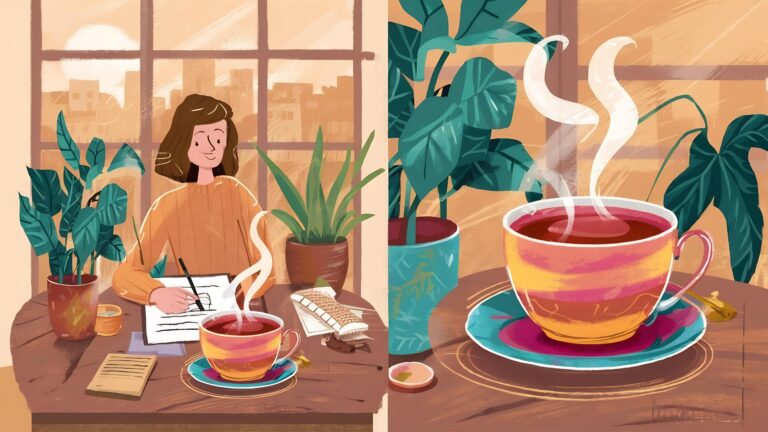
Tea rituals invite us to slow down. Instead of rushing, we pause. The process becomes just as important as the result, and in doing so, we create space to breathe, reflect, and simply be present.
The Beauty of Simplicity
ritual does not need to be elaborate. In fact, simplicity often carries the most elegance. A few well-considered actions, performed with care, can create a moment that feels calm, balanced, and quietly satisfying.
The Importance of SettingWhere tea is prepared matters. Light, space, and surroundings all contribute to the atmosphere. A simple table, a clean surface, or even a quiet corner can transform the experience into something more intentional.
Teaware as Part of Ritual
Teaware plays a subtle yet important role in tea rituals. The choice of vessel influences not only the tea itself, but the feeling of the process. Each piece contributes quietly to the overall experience.
Movement and Flow
Tea rituals involve movement, pouring, handling, and timing. These actions, when done with care, create a natural rhythm. Over time, this rhythm becomes familiar and comforting, almost like a gentle choreography.
The programme runs every two weeks, and you’ll be placed into the next available intake. Classes take place Monday to Friday, from 9:00 to 11:00 (UTC+8). If you happen to miss anything, no stress at all, recordings will be available so you can revisit the discussions whenever it suits you. Simply let us know you’re keen, and we’ll guide you from there.
A tea ritual engages the senses. The sound of water, the aroma of leaves, the warmth of the cup. Each detail contributes to a fuller experience, making the moment feel more complete and immersive.About Define Tea Ritual
CONNECT WITH THE WORLD OF TEA-
The Concept of Tea Ritual
-
Intention and Purpose in Tea Preparation
-
Cultural Foundations of Tea Rituals
-
The Role of Environmental Setting
-
Teaware and its Symbolism
-
Movement, Sequence, and Flow
-
Sensory Awareness in Tea Rituals
-
Designing Personal Tea Rituals
-
Social and Reflective Practice
Cultural Roots of Tea Rituals
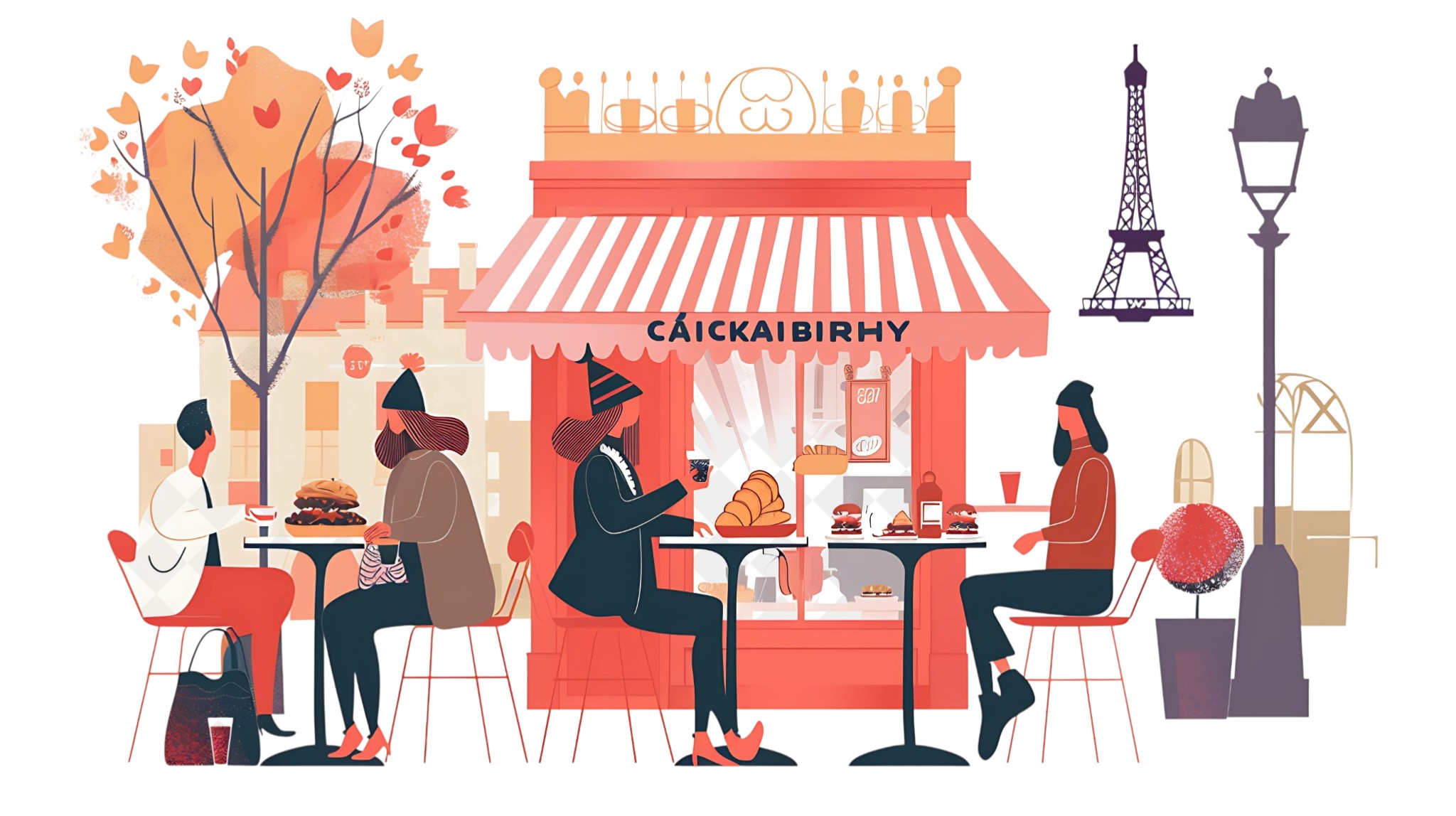
Across the world, tea rituals have developed in different forms, shaped by culture, history, and environment. From Chinese tea ceremonies to British afternoon tea, each reflects a unique approach to hospitality and social interaction, showing how tea can carry meaning far beyond the cup itself.
...sharing your cup...
Tradition Meets Modern Life
While traditional rituals remain important, modern tea rituals are evolving. Today, individuals adapt practices to suit their lifestyles, creating new interpretations that feel relevant and personal. This balance between tradition and innovation allows tea rituals to remain alive, flexible, and accessible to a wider audience.
The programme runs over 15 days, and you are welcome to step in and out as you wish. Should you complete the full journey (and resist the temptation to quietly disappear midway for a cheeky tea break), you will be awarded a certificate recognising your participation, officially endorsed by Order of Tea.
Creating your own Ritual
Developing a personal tea ritual does not require strict rules. It begins with small choices, how you prepare tea, how you serve it, and how you engage with the moment. Over time, these choices form a routine that feels natural, comfortable, and uniquely yours. Ultimately, defining a tea ritual is a personal journey. It is shaped by your preferences, your environment, and your intentions. There is no single correct way, only what feels right. And perhaps that is what makes tea rituals so quietly powerful.

...shared cup initiative...
The Role of Repetition
Repetition gives ritual its structure. Performing the same sequence regularly creates familiarity and comfort. It allows the mind to settle and the body to relax. In tea rituals, repetition is not monotonous, it is grounding, offering a sense of continuity in an otherwise busy world.


Tea Ritual and Mindfulness
Tea rituals naturally encourage mindfulness. By focusing on simple actions, we become more aware of the present moment. It is not about achieving anything, but about experiencing what is already there, quietly and without distraction. It can be taught and shared. Passing them on allows traditions to continue while also adapting to new contexts. It creates a sense of continuity between generations and communities.
-
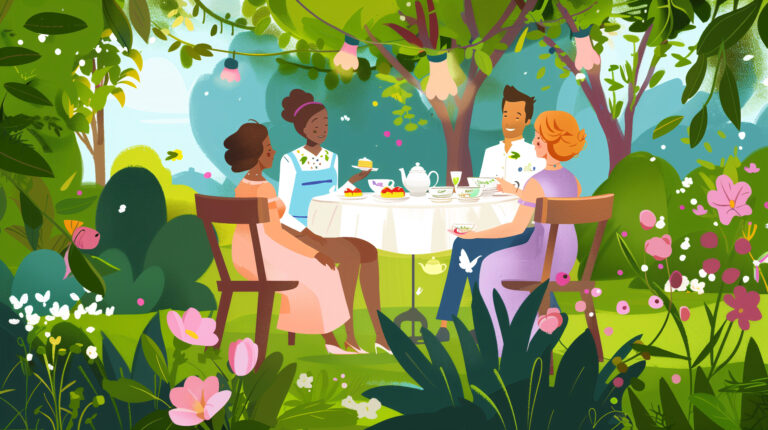
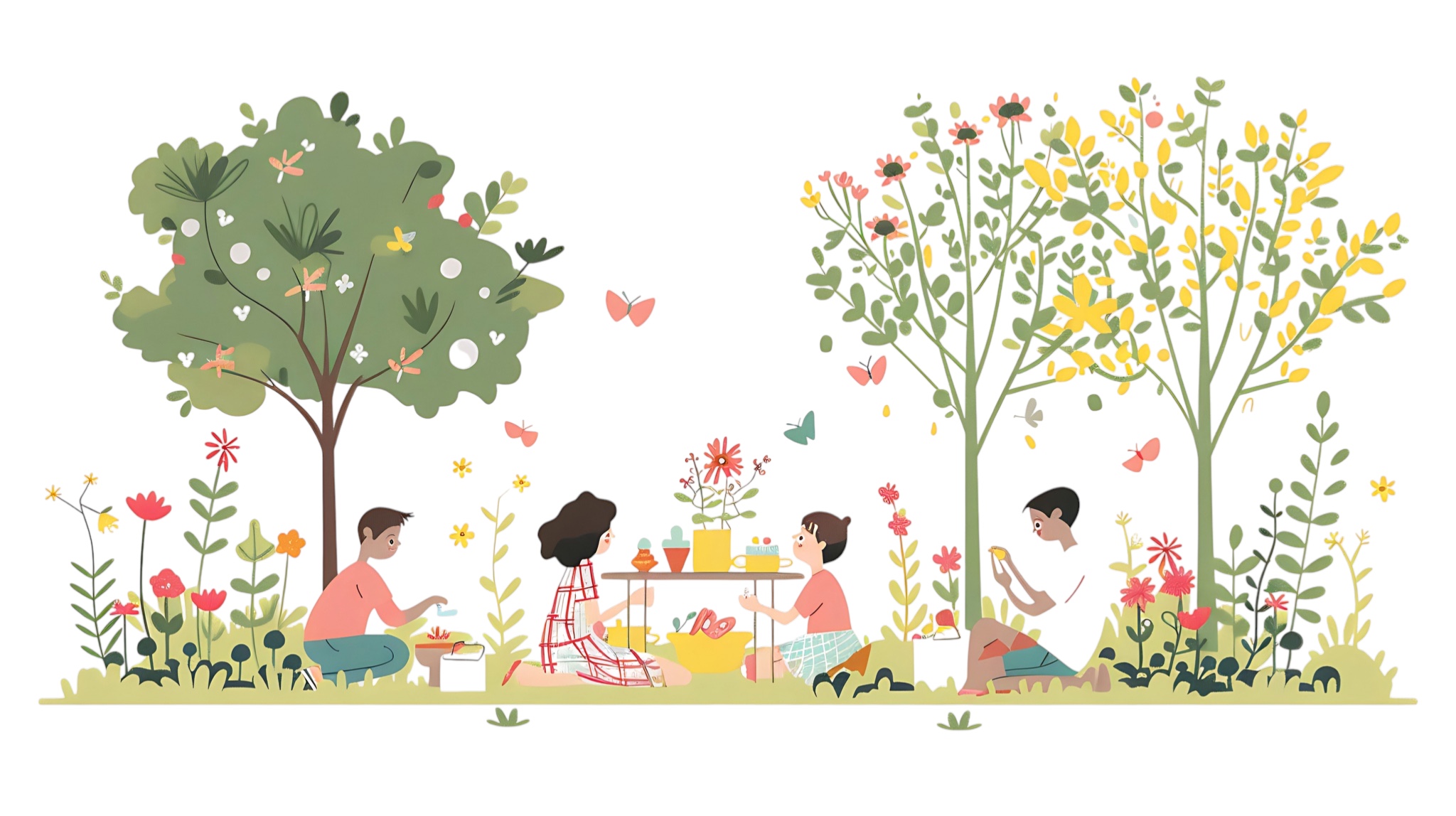
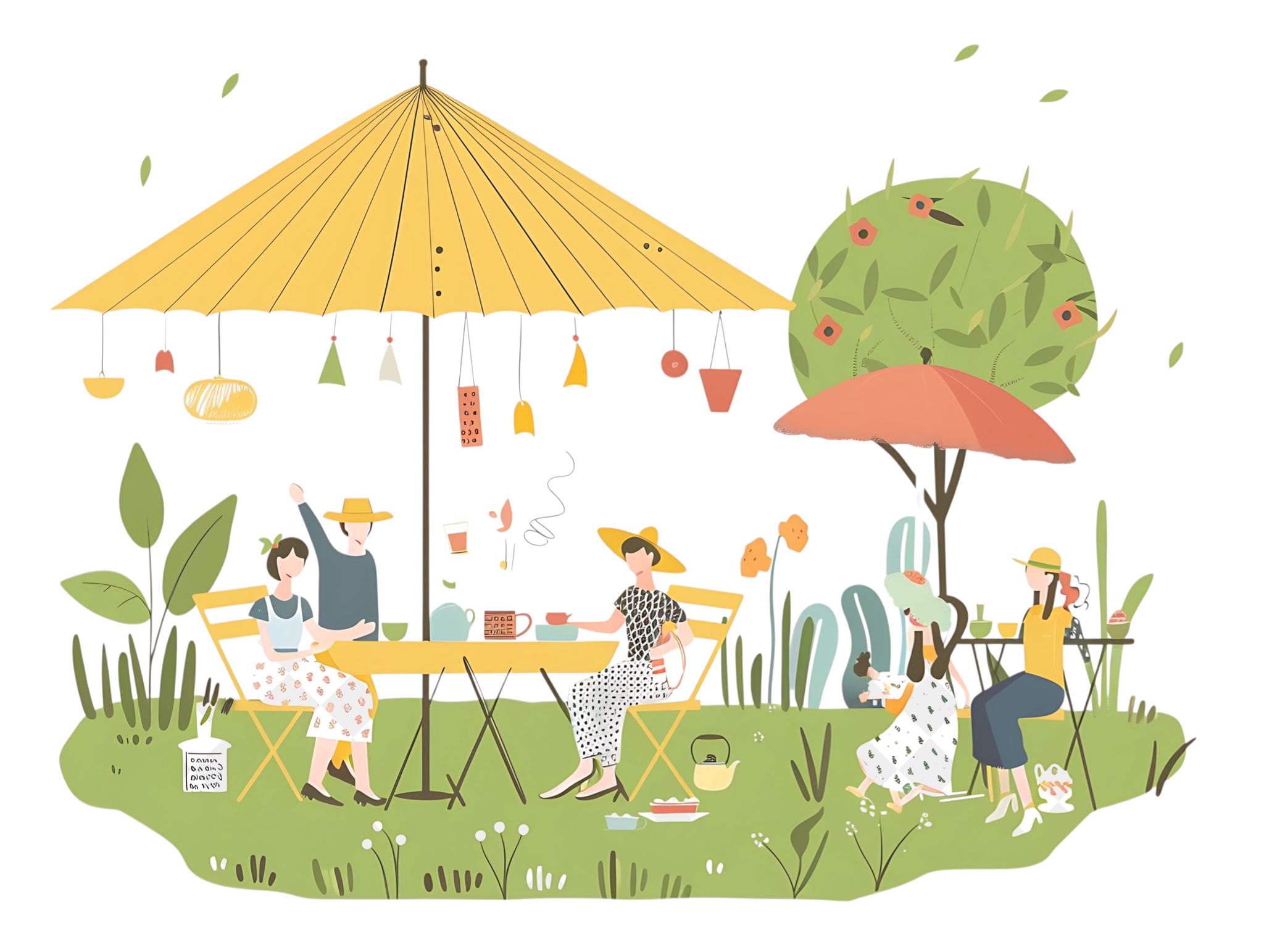
- A cheerful group of friends enjoying a tea party in a lush garden, surrounded by flowers

-
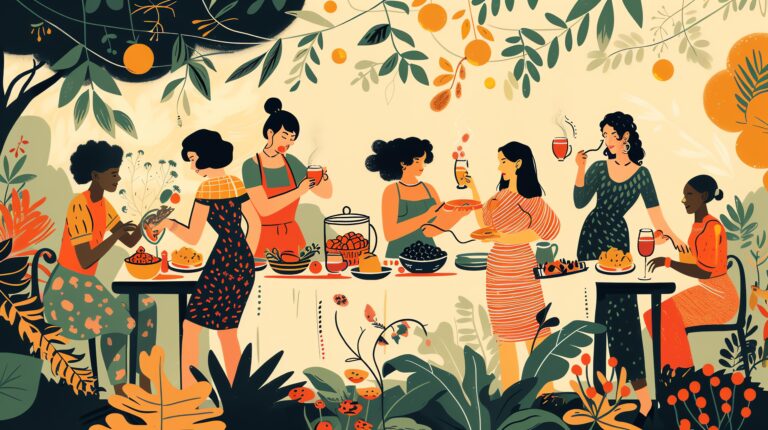
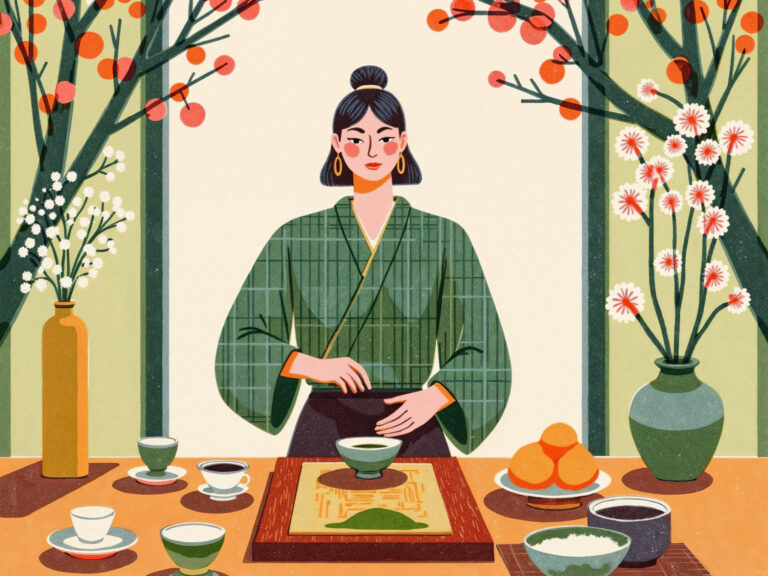
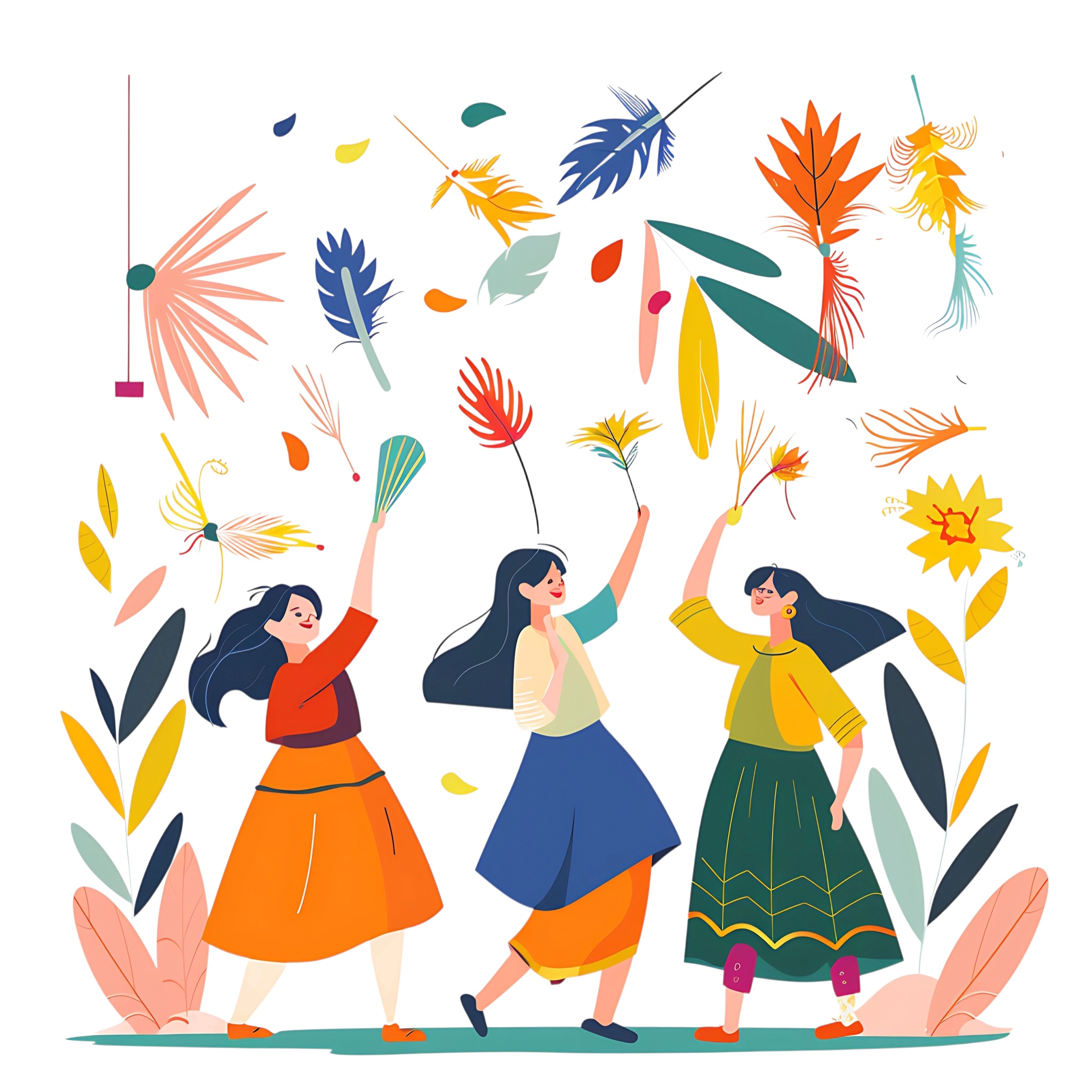
- A group of diverse women are enjoying a garden party. They are wearing colorful dresses and are surrounded by lush greenery.
Social Aspect of Tea Rituals
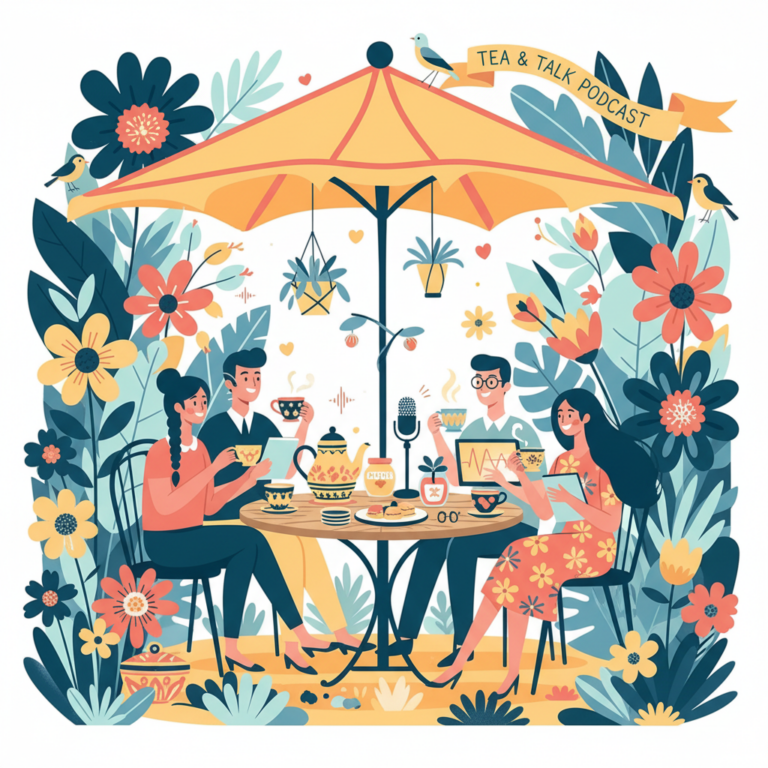
When shared, tea rituals create a space for conversation and connection. They provide a gentle structure for interaction, allowing discussions to unfold naturally. It becomes less about the tea itself and more about the relationships built around it.
No two tea rituals are exactly the same. Each person brings their own style, preferences, and personality. This makes tea rituals deeply personal and open to interpretation. There is no fixed timeline here. You can move at your own pace, refine your ideas, and develop your brand in a way that feels right. It’s not a race, thankfully.

Ritual as a Shared Experience and Creativity
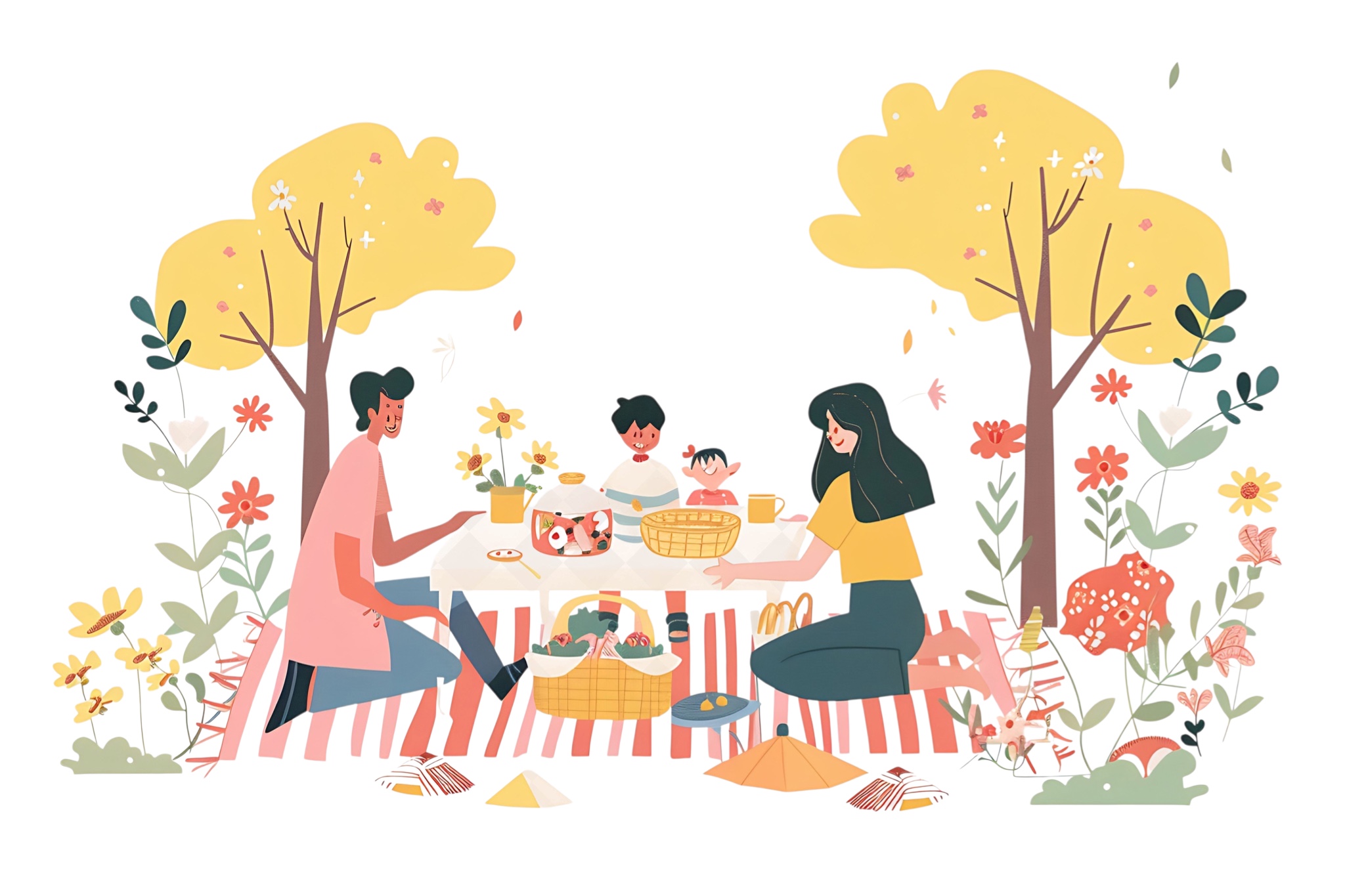
Tea rituals can also be shared. When prepared for others, they become a form of communication, a way of expressing care, hospitality, and connection without needing many words. Tea rituals are not fixed, they can be creative. You may experiment with presentation, sequence, or setting. This freedom allows rituals to evolve, reflecting personal taste and imagination, making each experience slightly different yet still familiar.
Rituals often carry emotional meaning. A simple cup of tea can become associated with comfort, reflection, or even celebration. Over time, these associations deepen, turning ordinary moments into something more memorable and significant. In a fast-moving world, tea rituals can act as an anchor. They provide a moment of pause, a chance to reset. Even a brief ritual can bring a sense of balance and calm to the day.